

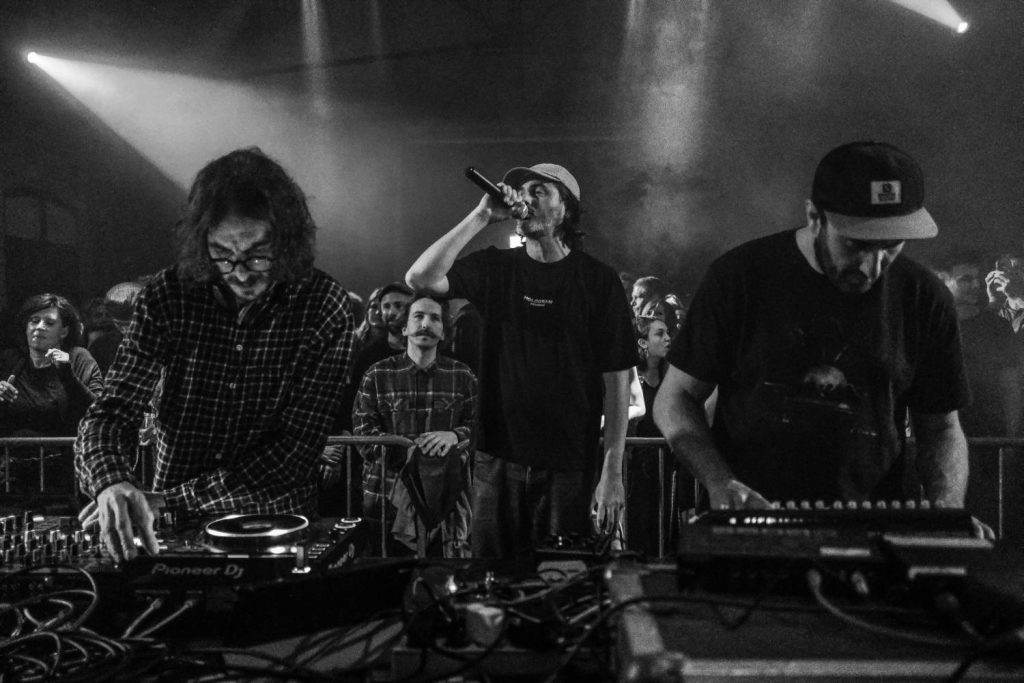
Interview with Pupajim (Stand High Patrol)
In a world that feels louder, faster and colder every day, Stand High Patrol builds something different: quiet places of warmth, rhythm and reflection. “Underground Oasis” is not just an album title – it’s a mindset. A small, self-built shelter where music becomes a form of resistance, creativity becomes comfort, and the dancefloor becomes a safe space.
We spoke with Pupajim about basements, oases, sound system culture and why staying underground can still be the most powerful choice. What follows is a conversation about art, community, vulnerability, and the beauty of making music far away from the noise.
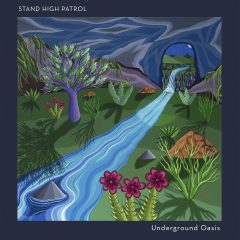 Many listeners say “Underground Oasis” feels like a place of refuge. Was that a conscious idea for you, or did it simply happen during the process?
I would say a bit of both. The lyrics were written very spontaneously, to let the subconscious speak, and at some point the idea came from proposing a utopia, a future other than the one we are offered. If listeners find refuge in listening to this record, then that’s great.
Your music often comes from spaces that aren’t in the spotlight: basements, small clubs, warehouses. Why are these places still so important for you?
That’s a very good question. I’ve never really thought about it, but I suppose we like to show that beauty is everywhere, even in places that are not considered beautiful by society. That also reminds me of the French expression, ‘Pour vivre heureux vivons cachés’ (To live happily, live hidden away).
When we speak of an oasis, we imagine shade, calm, and space to breathe. What is a musical oasis for you – a feeling, a rhythm, a moment?
I would say it is a piece of music that allows you to revitalize yourself, to disconnect for a moment from the world around you. It is therefore a temporal oasis (not a spatial one), a parenthesis.
You are part of a subculture that connects people worldwide without needing big stages or big marketing. Does Underground Oasis speak to this community?
Our music is for everyone; underground shouldn’t be synonymous with exclusivity. But it’s true that we’re “lucky”, the dub and sound system scene is very robust and very autonomous, thanks to all the activists.
Many artists look for ways upward – charts, big festivals, visibility. You choose to stay underground. Is that a statement or simply the most honest way to work?
Growth has its limits. We try to last and be independent in our artistic choices. And we have enough to live on, which is already great. Capitalist society would like any business to grow, but we have to learn to live in a degrowth world.
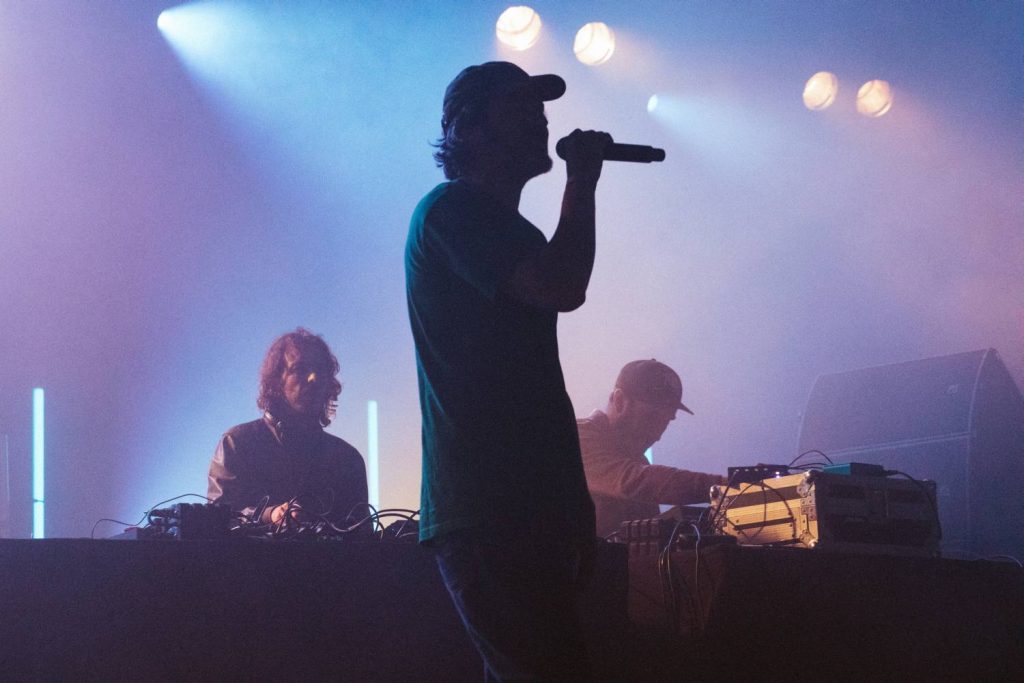
There is a lot of space and silence in the album. Can quietness also be a form of resistance?
Yes, in a sense. When I compose, my work mainly consists of removing notes that I have just played. These silences allow the listener to create their own melodies. It also leave space for effects (reverbs, delays) done by Macgyver. I think effects can play the same role as silences in a way. I love that quote from Thelonious Monk: “what you don’t play can be more important than what you do … some music just imagined” (Monk who recorded an LP named “Underground” by the way).
Your kind of resistance isn’t loud or aggressive – it’s warm, gentle, human. How does that energy appear in the studio?
I recorded this album at home, sitting down. I think the voice is less powerful when you record sitting down, which must have contributed to this atmosphere. And I wanted to have very dreamy, airy vocals (I was listening to Yung Lean’s first albums at that time and wanted to have a similar vocal atmosphere).
In many cities, places of subculture are disappearing: bars, cellars, rehearsal rooms. Did this influence “Underground Oasis”?
Yes, we need these oases, these places where other values are possible. We sometimes take these places for granted, but unfortunately that’s not the case. So we have to fight to preserve these oases, or even create new ones, whatever their size.
Joe Yorke is the only guest on the record. What makes this connection special for you – in sound and in spirit?
The futures imagined in the 70s and 80s (in films and books) are the ones we are living today (‘cyberpunk’, dystopia), which is a reference to hauntology. Joe York was the first person to talk to me about hauntology, so it made sense to invite him to feature on this track. Joe is an incredible artist and we are very happy that he took part in this project.
If someone listens late at night, alone with headphones – what would you like them to feel after the last track fades out?
The listener feels what they want to feel, and I hope that each listener feels something different. But if they’ve listened to the whole album (and not just a few singles), then we’re already very happy :).
….und hier nun die deutsche Version des Interviews mit Pupajim:
Anlässlich des Releases des neuen Stand High Patrol Albums „Underground Oasis“ hatte Irie Ites die Möglichkeit, mit Pupajim über Klang, Räume, Rückzug, Oasen und subkulturellen Widerstand zu sprechen. Im Folgenden das komplette Interview in deutscher Übersetzung.
Viele Zuhörer sagen, Underground Oasis fühle sich wie ein Zufluchtsort an. War das ein bewusstes Konzept oder ist dieses Gefühl einfach während des Prozesses entstanden?
Ich würde sagen, ein bisschen von beidem. Die Texte wurden sehr spontan geschrieben, um dem Unterbewusstsein Raum zu geben, und irgendwann kam die Idee, eine Utopie vorzuschlagen – eine andere Zukunft als die, die man uns anbietet. Wenn die Hörer in diesem Album Zuflucht finden, ist das wunderbar.
Eure Musik entsteht oft in Räumen, die nicht im Rampenlicht stehen: Keller, kleine Clubs, Lagerhallen. Warum sind diese Orte für euch noch immer so wichtig?
Das ist eine sehr gute Frage. Ich habe nie wirklich darüber nachgedacht, aber ich denke, wir mögen es zu zeigen, dass Schönheit überall zu finden ist – sogar an Orten, die die Gesellschaft nicht als „schön“ betrachtet. Das erinnert mich an den französischen Ausdruck: „Pour vivre heureux vivons cachés“ – um glücklich zu leben, lebe verborgen.
Wenn man von einer Oase spricht, denkt man an Schatten, Ruhe, Raum zum Atmen. Was ist für dich eine musikalische Oase – ein Gefühl, ein Rhythmus, ein Moment?
Ich würde sagen, es ist ein Musikstück, das dir erlaubt, dich zu erholen, dich für einen Moment von der Welt um dich herum zu lösen. Es ist also eine zeitliche Oase, keine räumliche – ein kurzer Ausstieg.
Ihr seid Teil einer Subkultur, die Menschen weltweit verbindet – ohne große Bühnen, ohne großes Marketing. Spricht Underground Oasis zu dieser Community?
Unsere Musik ist für alle; underground sollte nicht gleichbedeutend mit Exklusivität sein. Aber es stimmt – wir haben „Glück“, denn die Dub- und Soundsystem-Szene ist sehr stark und sehr autonom, dank all der Aktivisten.
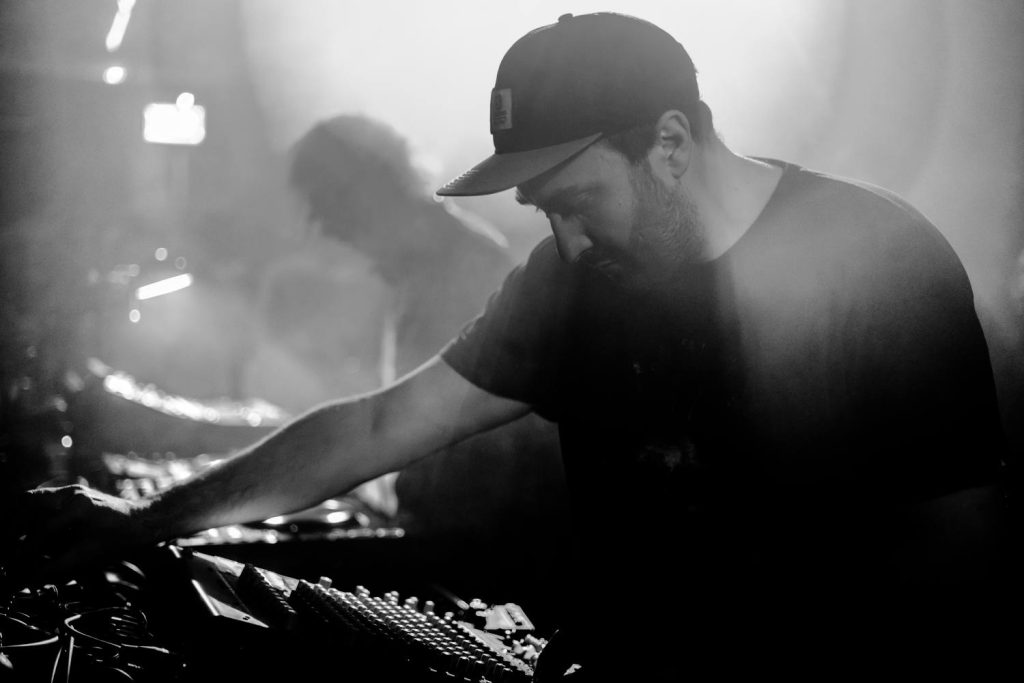
Viele Künstler suchen Wege nach oben – Charts, große Festivals, Sichtbarkeit. Ihr entscheidet euch, im Underground zu bleiben. Ist das ein Statement oder einfach die ehrlichste Art zu arbeiten?
Wachstum hat seine Grenzen. Wir versuchen, lange zu bestehen und unabhängig in unseren künstlerischen Entscheidungen zu bleiben. Und wir haben genug zum Leben, was schon großartig ist. Die kapitalistische Gesellschaft möchte, dass jedes Unternehmen wächst, aber wir müssen lernen, in einer Welt der Entschleunigung zu leben.
Auf dem Album gibt es viel Raum und Stille. Kann Ruhe auch eine Form von Widerstand sein?
Ja, in gewisser Weise. Wenn ich komponiere, besteht meine Arbeit hauptsächlich darin, Noten zu entfernen, die ich gerade gespielt habe. Diese Pausen erlauben es dem Hörer, eigene Melodien zu erschaffen – und sie lassen Platz für Effekte (Reverbs, Delays) von Macgyver. Ich denke, Effekte können dieselbe Rolle spielen wie Stille. Ich liebe das Zitat von Thelonious Monk: „What you don’t play can be more important than what you do … some music just imagined“ (Monk, der übrigens eine LP namens „Underground“ aufgenommen hat).
 Eure Art von Widerstand ist nicht laut oder aggressiv – sie ist warm, sanft, menschlich. Wie entsteht diese Energie im Studio?
Ich habe dieses Album zu Hause aufgenommen, im Sitzen. Ich denke, die Stimme ist weniger kraftvoll, wenn man sitzend aufnimmt, was zu dieser Atmosphäre beigetragen haben muss. Außerdem wollte ich sehr verträumte, luftige Vocals – ich hörte damals viel Yung Lean und wollte eine ähnliche Stimmung erzeugen.
In vielen Städten verschwinden Orte der Subkultur: Bars, Keller, Proberäume. Hat das “Underground Oasis” beeinflusst?
Ja, wir brauchen diese Oasen, diese Orte, an denen andere Werte möglich sind. Wir nehmen sie manchmal als selbstverständlich, aber das sind sie leider nicht. Deshalb müssen wir darum kämpfen, diese Oasen zu bewahren oder neue zu schaffen, egal wie groß oder klein sie sind.
Joe Yorke ist der einzige Gast auf dem Album. Was macht diese Verbindung besonders – musikalisch und im Geist?
Die Vorstellungen von Zukunft, die in den 70ern und 80ern in Filmen und Büchern entworfen wurden – „Cyberpunk“, Dystopie – sind die, in denen wir heute leben. Das ist eine Referenz an Hauntology. Joe Yorke war der erste, der mit mir darüber gesprochen hat, also ergab es Sinn, ihn einzuladen. Joe ist ein unglaublicher Künstler und wir sind sehr glücklich, dass er Teil des Projekts war.
Wenn jemand das Album spät in der Nacht hört, mit Kopfhörern, vielleicht allein – was würdet ihr euch wünschen, dass bleibt, wenn der letzte Track verklingt?
Der Hörer fühlt, was er fühlen möchte, und ich hoffe, dass jeder etwas anderes empfindet. Aber wenn jemand das ganze Album hört (und nicht nur ein paar Singles), dann sind wir schon sehr glücklich :).
Interview: Christian Boeke (11/2025)












Thank you Pupajim and Stand High Patrol for everything you’ve done and will be doing.
After reading the article it really cheers me up knowing I perceive your work as you intended us to.
I really love your way of making music, your SH.MIXTAPEs included ;).
Thank you so much for your work.
Dear Bastien, I agree full hundred!
Hey Bastien, your words definetly echo in my heart. I love the unique way of Pupajim and the Stand High Patrol for years now. Thank you for your feedback.
Thanks for this brilliant Interview 🙂