Shaolin Records – A Journey Through Sound, Culture & Innovation
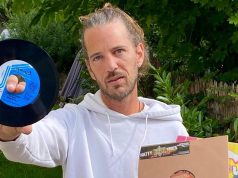
Shaolin Records, the brainchild of Daniel Tuffs, has carved out its own unique space in the world of reggae music, blending roots, dub, and experimental sounds into a dynamic and ever-evolving fusion. From its humble beginnings in Norwich, UK, to becoming a globally recognized label, Shaolin Records has stayed true to the essence of reggae while pushing its boundaries. Lets dive deeper into the philosophy behind Shaolin, his creative process, and his vision for the future of reggae.
In this interview Daniel opens up about his journey in music, the importance of staying authentic in an age of digital convenience, and how reggae still holds the power to inspire social and political change in today’s world. If you’ve ever wondered what goes into creating a label that not only preserves but innovates the legacy of reggae, this interview is a must-read!
Please introduce yourself shortly to our readers…
Hey guys! The aim of Shaolin Sound is to maintain and add to the rich sounds and culture of reggae music here in the UK, and worldwide. It’s a steady balance of digging through the endless releases of the past, and discovering records which have been forgotten, and adding fresh music through production and collaboration, highlighting the ‘Shaolin’ sound, that spans across all areas and sounds in reggae. Positive and political messages are a must!
Shaolin Sound is more than just a label; it’s a culture. If you had to describe the label as a single, unexplained sound, what would it be and why?
Fusion! As much as I love foundational roots music from the likes of King Tubbys, Prince Jammys and the legends of the 70s, it’s really the fusions and influences of other music into reggae that has really caught my ear, and is definitely an area of the music which is less predictable and reasonably unexplored. This makes it fun to explore, discover send create!
Reggae is deeply rooted in the history of resistance and awareness. How do you maintain that tradition without it feeling like just a repeat of past ideas? How do you respect the past while pushing forward in new, independent directions?
More and more you hear songs, and see people posting music from previous decades that resonate as much today, as they did back then. I think although cultural things evolve, along with technological advances; I believe we still face practically the same issues that society always has. I’d say that although it’s good to break free of repeating the same slogans and lyrics, that you can only try and be original within the same topics of war, race, injustice, social deprivation & inequality. There is always a lot to be said, and plenty of unique perspectives; politically and spiritually.
You’ve certainly spent countless hours in the studio, but if you could point to one particular moment during the creation of a Shaolin Records track when you just knew, “Yes, this is something great” – what was that moment like?
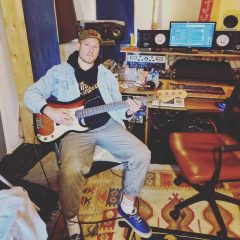
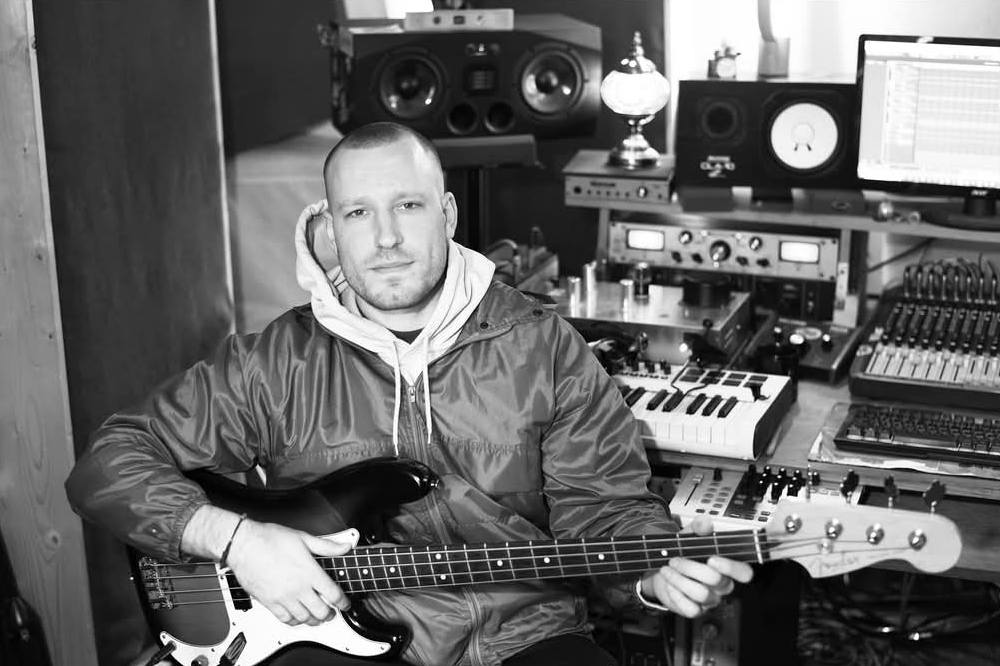
Yes for sure! It all started out with me just experimenting building riddims on my laptop, and it wasn’t until I linked up with my friend Mikey Shaw at Dub Cavern that the tracks really started coming to life. I can remember the first time putting a bunch of stems through the desk, adding some live guitar and synths into the mix, and firing off the reverb and space echo, chucking the faders about. I knew that with some good focus and dedication that we could make some interesting music!

Reggae is known for its spontaneity and energy. How does Shaolin Records capture that ‘live’ vibe even in studio recordings? Do you have any specific techniques or rituals that help you achieve that?
Naturally I think my creation process is quite spontaneous. Other than occasionally thinking of bass lines and perhaps some groove or drum patter ideas, and singing them to myself as a voice note; very little planning or writing happens in advance of a session. Usually I turn up at Dub Cavern, and with Mikey on drums, we will just think of something on drums and bass in the space of a few minutes, then record in one or two takes. And this is before working out chords, or any of the extra melodic elements, which will be added in a very similar improvised manor. We can quite easily manage 4 fresh riddims in one session! And apart from revisiting to record vocals, percussion, horns or mixing; this will be the finished tracks! If a riddim has to be revisited loads of times, 9 times out of 10, you should move on and start another until it falls into place naturally.
There’s a fine line between experimental sounds and traditional Roots. How do you find that balance in your work? What do you think is the key to keeping Reggae fresh and relevant without losing its authenticity?
Really I take a lot of influence from the 80s, and producers like Sly & Robbie. I love the idea of fusing a live band, with synths and digital sounds. I guess this came from a lot of Jamaican musicians travelling to and from America, UK and Europe in the 80s during the Disco era, and travelling back with different bits of kit, and digital instruments. With regards to keeping the sound authentic, I think this is down to spending a lot of time listening to both 70s Roots and 80s Rubadub & Digi, which is reflected in performance and direction in the studio. It also helps working at Dub Cavern which is full of lots of great vintage analogue studio gear!
Reggae is often seen as a political and social voice, but do you believe there’s still room for reggae to actively influence social change today, or has the genre become more introspective?
Definitely! Although it seems like reggae is constantly evolving (like it always has!), and pushing in popularity towards more rave and dancefloor styles; I think there is still a massive percentage of people who listen at home, and at sessions, that are drawn towards conscious social and political messages! When working with singers, I often request conscious lyrics with a social or political theme.
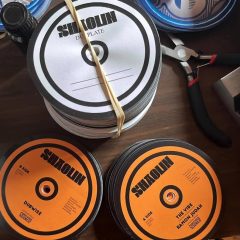
In an age where streaming services and social media dominate, Shaolin Sound holds onto physical releases like vinyl. What does the vinyl format mean to you personally, and why do you continue to prioritize it in an increasingly digital world?
I think vinyl is important because it’s in a form that travels with us through time and space. You can’t help but have a deeper connection to the music that has existed in the physical world alongside you.
What makes a true reggae artist for you? Beyond technical skill, what’s the ‘heart’ of reggae that an artist needs to embody to truly connect with the culture? Is there a special kind of energy or ‘vibration’ they must bring to the table?
I think truly, when possible, I try to collaborate with Jamaican & African artists, because although reggae is now a global sensation, I think it’s important to include and incorporate those who created and pioneered this amazing music. Outside of that I think you have to be authentic. Reggae has a lot of slogans and clichés which I think it’s easy to band onto. Although I don’t really have a problem with this, I think it’s important to encourage originality and authentic expression, whoever you are, and wherever you are from.
If you had to give advice to a new artist or producer just starting out in the reggae world, what would you say to help them stay authentic without getting lost in clichés?
I think like I mentioned, try to work with Jamaican & African artists! It’s important to not fully remove the music’s cultural identity! Secondly to that, spend as much time exploring and listening to original and authentic reggae music. Yes music evolves and there are exciting new styles and sounds, but you can definitely hear when a producer is coming from a techno or electronic background, and peppered it with some subtle reggae grooves or samples and then calls it ‘dub’ or reggae.
 You’ve worked with many artists and producers. Is there any collaboration that stands out to you as particularly memorable? What made that partnership unique for you?
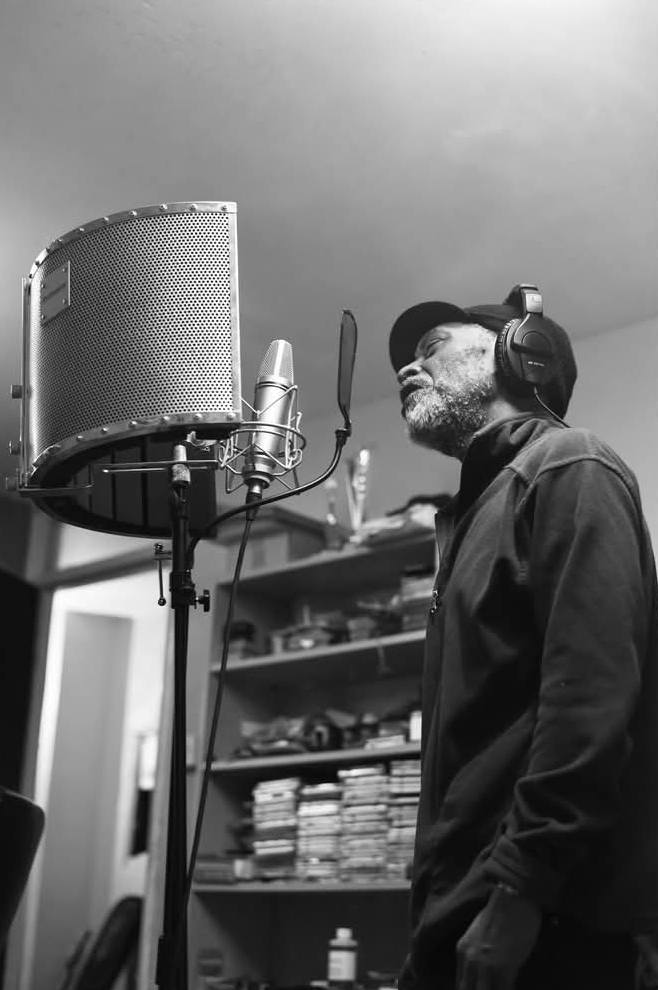
Some of my favorite tracks from last year were with Anthony Johnson, who is a long time favorite artist. I met him briefly at the end of a session recording Vivian Jones (who is also a top artist, and one of my favorite people to work with). I was very excited to head back to G Vibes studio in London and few weeks later, and sit in the session while he voiced “Live Upright” & “Wonder Why”. He was super friendly and relaxed to work with, and was totally open to me helping write and adapt some lyrics. Hearing him nail some of my ideas for vocals, by adapting them into the lyrics he’d prepared, was a real honour!
Shaolin Sound is known for combining roots, dub, and experimental sounds. What is the philosophy behind this blend? Is there a particular message or energy that you’re trying to communicate through this fusion of styles?
Really I am trying to create a unique sound, whilst expanding on the sounds of 80s reggae music from around the world. This is a time when it really became a global sensation and fused with many styles and influences. I think trying to combine vibes and influences creates excitement and originality. Having said that, we sometimes we try and make something super rootsy and traditional. And other days we decide it’s time to add some crazy synths!
Do you believe that reggae, as a genre, still has the power to challenge societal norms, just as it did when it first emerged? What role do you think it plays in today’s world?
Reggae music is still one of the most direct forms of music, when it comes to social and political issues. Getting these messages out in a direct and creative approach is really one of the healthiest, non-violent forms of protest! I think the message in the music, is the most important thing. And most good reggae music carries this at the centre of it’s being.
If you could envision the future of Shaolin Sound in 10 years, what would that look like? What kind of reggae will we be hearing from the label in the years to come?
Really, I’m quite happy with how things have been going! I hope to work with many more of the artists and singers that have inspired me. I hope to start making regular trips to Jamaica and voicing artists there. This will hopefully further progress towards an authentic reggae sound, and give more inspiration and ideas for fusions and collaborations!
What do you think is the biggest challenge facing modern reggae producers today compared to those working in the genre’s earlier days? Has technology made things easier, or has it complicated the creative process in any way?
I’d say mostly it’s made things easier, from a resources perspective. If you really want to understand how certain studios made ‘that sound’, you can find info on certain instruments, playing styles, studio equipment or mixing techniques. So if you want to achieve an ‘authentic’ sound you can learn exactly how! However, producers are now also spoilt for choice and have the ability to be lazy. I think it’s good to have an idea of how you want your music to sound. Not from a writing and arrangement perspective, but from a style and production perspective. Try and modulate and affect digital synths and VSTs to sound like an old moog or Sly and Robbie fx, rather than just flicking through and randomly settling for something! You will learn a lot more about music production trying to create a desired sound too!
Interview: Christian (03/2025)