ISEO & DODOSOUND Interview
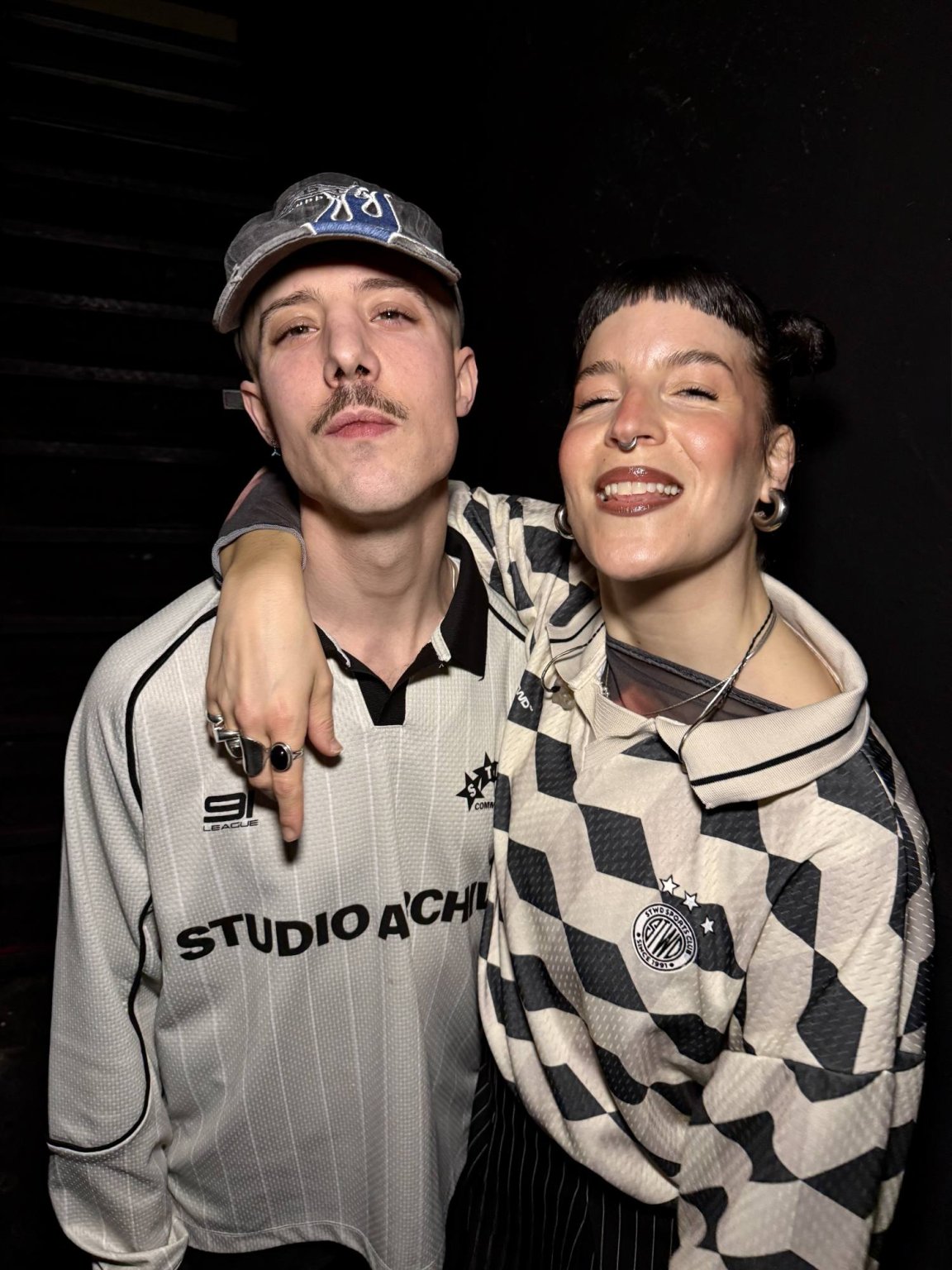
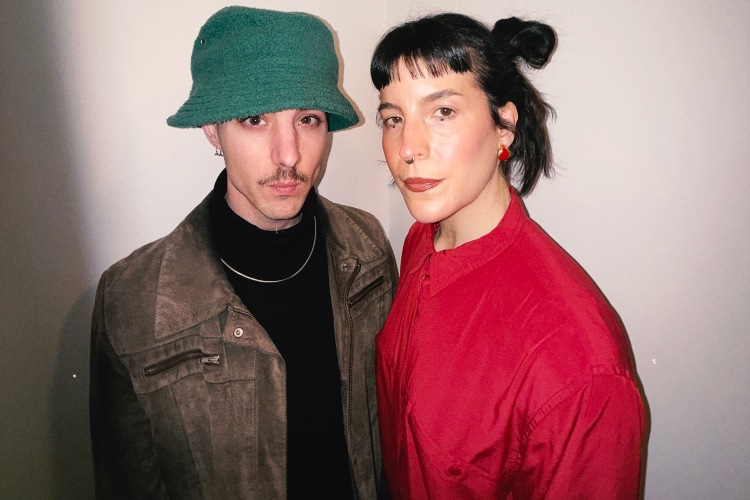
With fat dub vibes, a clear attitude and plenty of live energy, ISEO & DODOSOUND have stood for modern reggae sound from Spain for years. With their new album Volando, they stay true to their core while opening new doors. In this interview, they talk about musical development, political responsibility, creative balance and why their shows should feel like a shared vibration.
If someone hears you for the very first time: which of your songs currently feels most like “this is who we are” — and why?
If it’s the very first time and we can choose, there have to be two options. Option one is: why not start from the beginning and play the first song from our first album? That is who we were and, in many ways, it is still who we are.
Which takes us to option two: “Volando”, the first track of the brand new material. Let’s start from our newly released album, the fifth one — that’s who we are today.
You come from Spain, but your music feels very international. How present is your cultural background in your sound today?
Our cultural background as Spanish people — meaning folk music and so on — is not really present in our songs. Apart from a few hints here and there, especially in the lyrics and some melodies of our last two LPs, our music and creative expression find influences elsewhere.
Reggae and all Jamaican musical expressions, hip hop, electronic music and other modern genres are somehow our real cultural background and what we listened to growing up.
Was there a moment when you realized that this was more than just a project — that it was a shared path?
Right at the beginning, after creating a few songs, we kind of knew. Playing those songs live, we could tell that there was something special there, something worth believing in. Both of us were already on our own musical journeys when we joined paths, so we knew how hard it is to give birth to interesting music that can resonate.
Your music blends reggae, dub, latin and electronic elements. What is the core that holds all of this together for you?
For us, that element has got to be reggae and dub music — its ways and shapes. The voice and the message of the song are really what give it purpose, and then it’s the form.
Through our many influences, we shaped a sound that felt a little original to us and we still work in that direction more than ten years later. Reggae and dub, in all their varieties and subgenres, have always been at the core of it.
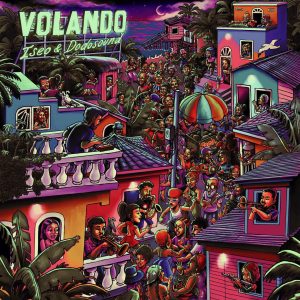 With “Volando” you’ve entered a new phase. What has changed in your creative process compared to earlier releases?
Every album, which comes with a new tour, marks, in some ways, a new era. We are older, our surroundings change, our priorities shift, our team changes too. You move from one place to another, from one stage to the next.
However, one constant in our career is that our changes are slow. Sometimes it feels like the rest of the world changes faster than we do. We still create music like we did in the beginning, we still care about the same topics we touched on in the first album, and we still just really want to create songs and play them live.
It’s like giving your life to music makes you live in this kind of loop that repeats: new album, new tour, new music, more shows — in which you really need perspective to realize the many changes that have taken place around you.
It’s often said that a lot of music is created “on the road”. What inspires you more at the moment: movement and travel, or stillness and retreat?
You need the balance. In order to create and write music, especially lyrics, first you need things — good and bad — to happen to you. So you need to go out there and live. Later, you need your quiet retreat to put those experiences in place and create music out of them.
How do you experience your collaboration today: where do you complement each other especially well, and where do you challenge one another?
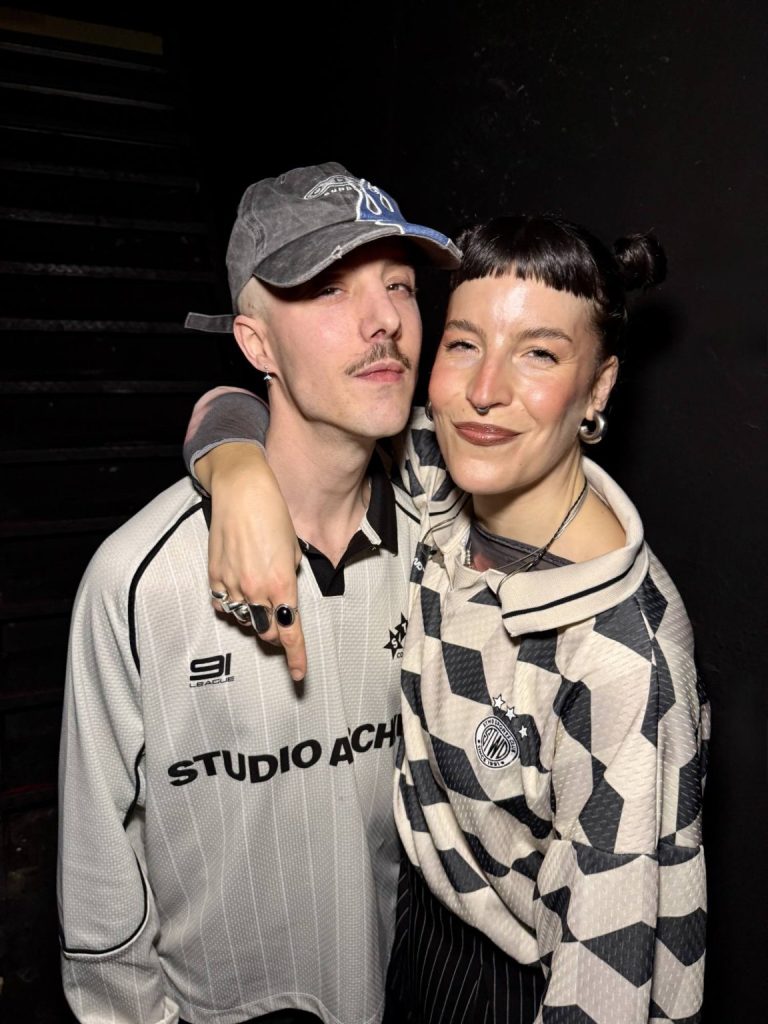
It has come to a place in which, at times, we think and create like one entity. It’s crazy how much we read each other. Dodo is more on the perfectionist side sometimes, while Iseo is more spontaneous — but roles can change too.
 Do creative disagreements happen — and if so, how do you work through them without losing your shared flow?
Of course. They happen a lot. But most of the time we are okay with just giving up on our own ideas if the other one is not convinced.
As an independent project, a lot of decisions — not only creative ones — have to be made almost every day, and it’s natural to not be aligned every time. We trust each other’s instincts and communicate when we see danger. Disagreement is part of the process. Sharing the same expectations and yearnings also helps.
Reggae and dub often carry a strong sense of purpose. Which values or topics feel especially important to you right now?
We could give a more generic and vague answer about empowerment, universal love and self-care — and of course there’s something of that. But at the end of the day, politics matter.
We all witness the abuse of the powerful in our societies and all around the world, so that’s a topic present in the last album. Also our own struggle with mental stability, our journey as people and musicians in this world, our travels, the teachings of the people we meet along the way, city life, positivity, and the desire to dance and let go.
We live in a very fast-paced time, with constant pressure to produce and share. What helps you stay grounded and true to yourselves as artists?
Being an independent project. There are so many things you have to do that there’s no way you’ll lose contact with the reality around you.
I haven’t experienced you live yet, which makes me even more curious: at what moment on stage do you feel that the connection between the music and the audience really begins?
It has to be right from the beginning. For us the live experience means everything and our audience, wherever we go, can tell that. Right from the intro, the whole place has to be in the same vibration and feel the connection.
 You’re currently touring and will also be playing several shows in Germany. What do you hope people take home with them after one of your concerts?
A feeling of plenitude. A feeling that it was worth going to see that Spanish dub band live. We will give our best and are really excited to finally be able to bring our full experience to Germany.
The club tour with dates in Hamburg, Cologne, Berlin and Munich is called “German Adventure”. What adventures are you seeking?
It’s called that because, as an independent project, this tour feels like venturing into the unknown and going to places we have never been before, thanks to our passion — which is, of course, the music.
We hope to give the best shows possible in each venue and also, hopefully, get to know a little bit of each city and its culture, visit some cool places and chat with cool people after the shows.
Looking back at your journey as a duo: what have you learned about yourselves — musically or personally?
We learned that we can trust each other and that we can trust ourselves. That we were capable of creating music that could resonate with others. That most of the time, the company is far more important than the destination — amongst many other things. It’s always a learning experience. Each one teach one… or more.
Is there something you consciously allow yourselves in this current phase that might not have been possible before?
Probably a couple of weeks off here and there — that’s all. And maybe also acknowledging a little bit what we’ve accomplished so far. Just enough to justify the many sacrifices.
And finally, a more personal question: If someone happens to discover your music late at night through headphones, on their way home — what feeling or thought would you like to leave them with?
On the way home, it should feel like a hug — like a shelter. You are home already. That’s all.
Thank you very much!
Interview: Christian Bautze-Boeke (2/2026)