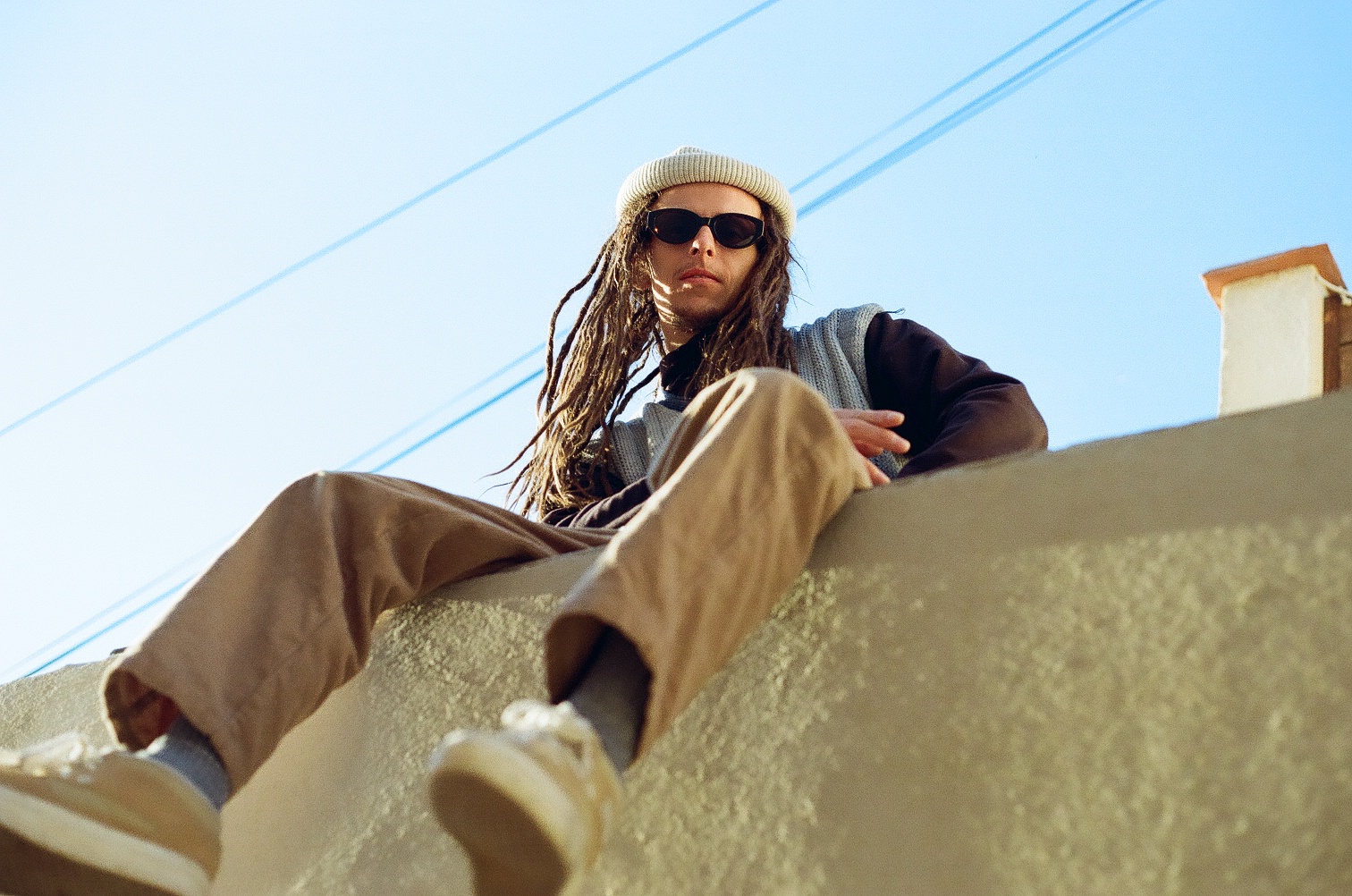
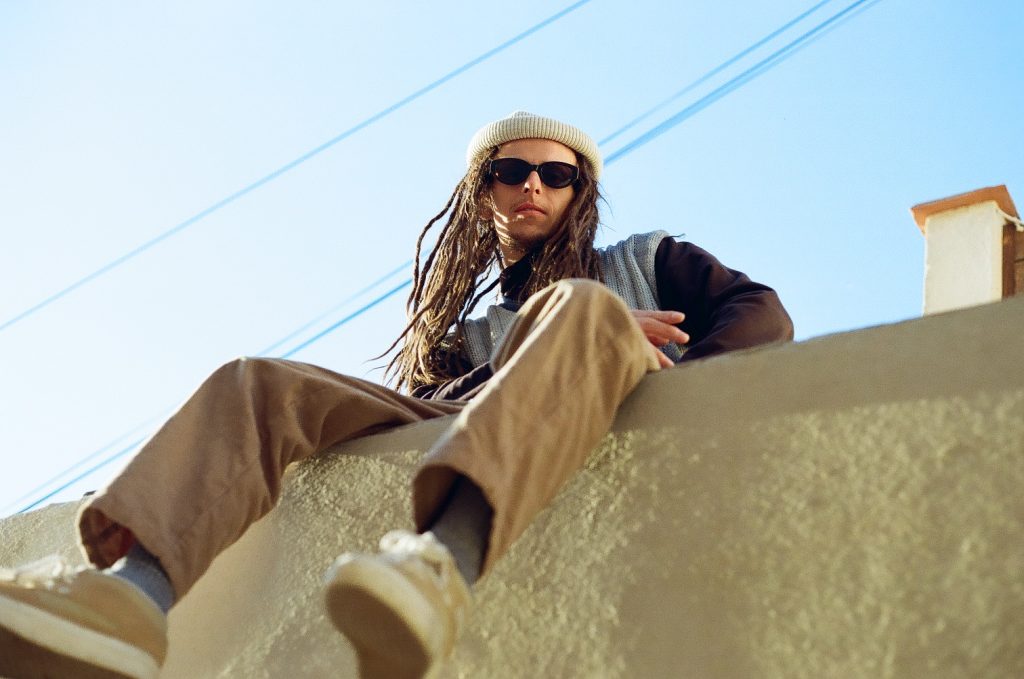
Tenah Irie
(english version below)
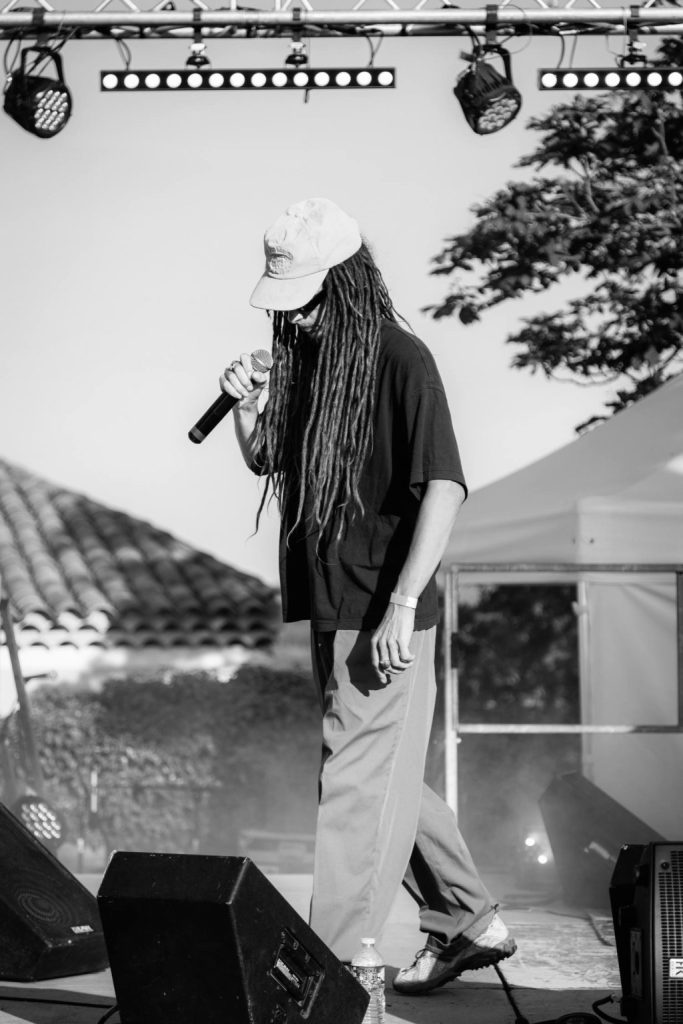
Ausgehend von frühen Begegnungen mit Reggae und Sound System Culture in Frankreich hat sich Tenah Irie eine eigenständige, rohe und bewusst analoge Klangsprache erarbeitet. Seine Musik ist tief in Roots Reggae verwurzelt, bleibt dabei aber offen für neue Ausdrucksformen jenseits von Konventionen. Im Interview spricht er über seine ersten musikalischen Schritte, Unabhängigkeit als künstlerisches Prinzip, die Bedeutung von Authentizität und darüber, was Reggae auch heute noch vermitteln kann.
Was hat dich ursprünglich zu Reggae hingezogen – und was hat dich über all die Jahre dort gehalten?
Mein erster wirklicher Zugang zu Reggae kam über das Vermächtnis von Bob Marley. In meiner Kindheit war ich oft bei einem guten Freund, dessen älterer Bruder in einer Band spielte (progressiver/psychedelischer Rock), aber mit starkem Reggae-Einfluss. Alle zwei Wochen gab es dort Jam-Sessions. Ich war etwa 14 Jahre alt. Selbst seine Eltern waren tief mit der Musik verbunden – wir konnten kaum gemeinsam essen, ohne vorher ein Album auszuwählen, und in 90 % der Fälle war es Reggae. So entdeckte ich auch jamaikanischen und britischen Roots Reggae und Dub – Lee Scratch Perry, Junior Murvin, The Congos, The Abyssinians, Dennis Brown und viele andere.
Was hat dir Reggae im Aufwachsen in Frankreich gegeben, was andere Musikrichtungen nicht konnten?
Reggae war für mich vor allem eine Musik, in der man sich leicht ausdrücken kann – egal ob über Instrumente, Gesang oder Tanz. Schon mit einfachen Barré-Akkorden lassen sich unzählige Reggae-Hymnen spielen. Reggae hat mir gezeigt, dass Musik nicht komplex sein muss, um großartig zu sein – sie muss ehrlich, emotional und eingängig sein. Diese Musik war für mich ein sicherer Raum, um meine musikalische Vision zu entwickeln, verbunden mit einer Botschaft, die zu meinen Erfahrungen und meiner Haltung zum Leben passt.
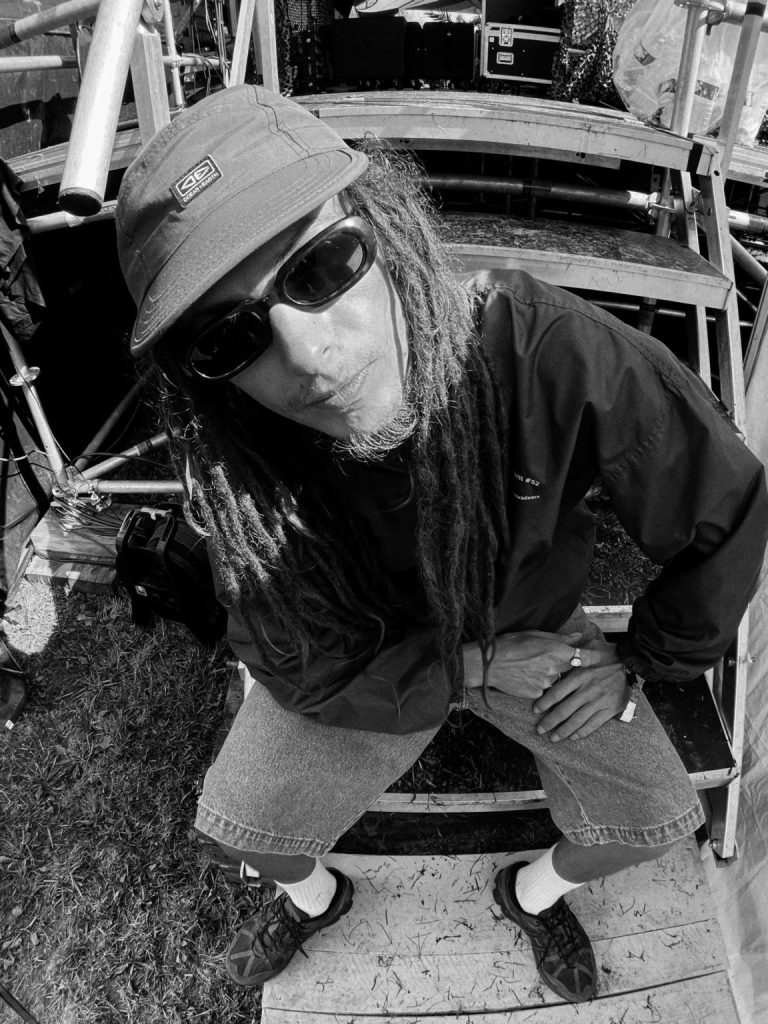 Erinnerst du dich an deine ersten Schritte als Künstler – was fiel dir leicht, was musstest du mühsam lernen?
Mit etwa 16 Jahren war ich Mitglied einer Reggae-Band, spielte Percussion, Melodica und schrieb erste Songs. Schon davor schrieb ich Texte, einfach um Gedanken festzuhalten, ohne Erwartungen. Später begann ich bewusster zu schreiben und zu verstehen, wie Songs aufgebaut sind. Schwer war es zu lernen, Abstand zur eigenen Vision zu nehmen und selbstkritisch zu bleiben, um mich weiterzuentwickeln – oft ohne Unterstützung von außen. Dieser Prozess begleitet mich bis heute.
Was aus diesen frühen Jahren ist bis heute in deiner Musik präsent?
Es ist vor allem diese Sensibilität, die mich damals zum Mikrofon geführt hat – und die Gewissheit, dass das mein Weg ist. Auch diese endlose Entschlossenheit, Raum, Zeit und Akkorde so lange zu formen, bis etwas Ehrliches entsteht. Nicht um mich selbst darzustellen, sondern um der Welt etwas durch Kunst und Handwerk zurückzugeben.
Dein Sound ist bewusst roh und fast analog. Was bedeutet Authentizität für dich heute?
Authentizität ist mir extrem wichtig. Gerade heute, wo sich viel in der Reggae- und Dub-Szene standardisiert anfühlt. Ich bin in allen Produktionsschritten involviert – vom Schreiben über Recording bis hin zu Visuals. Es geht mir darum, keine Fast-Food-Musik zu machen, sondern etwas Echtes zu schaffen. Ich versuche, die Kunst zu nähren, nicht den Markt.

Was soll Reggae den Menschen heute noch geben können?
Reggae kann und sollte auch heute Weisheit, soziale und spirituelle Reflexion, positive Schwingungen und einfache, ehrliche Botschaften vermitteln. Genau deshalb fühlen sich viele Menschen weiterhin zu Roots Reggae und Dub hingezogen.
Was hoffst du, dass Menschen in vielen Jahren in deiner Musik erkennen werden?
Ich hoffe, dass meine Musik Menschen inspiriert oder motiviert, ihren eigenen Weg zu gehen. Nicht aus dem Wunsch nach Anerkennung, sondern aus dem Bedürfnis nach Verbindung. Musik als Momentaufnahme von Gefühl, Zeit und Geist – und als Beitrag, diese Welt ein Stück bewusster zu machen.
Tenah, ich danke dir sehr für dieses Interview.
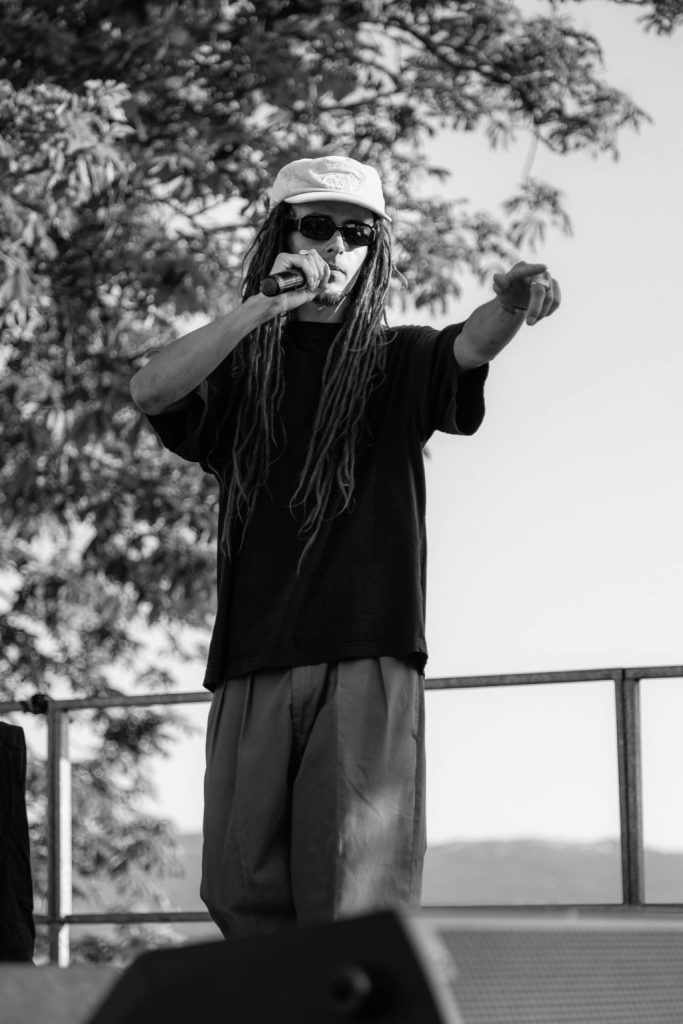 Tenah Irie
Rooted in early encounters with reggae and sound system culture in France, Tenah Irie has developed a distinctive sonic language that is raw, independent, and deliberately analog. Deeply grounded in roots reggae while remaining open to new forms of expression beyond convention, his music reflects both tradition and exploration. In this interview, he talks about his first musical steps, independence as an artistic principle, the importance of authenticity, and what reggae can still offer today.
What originally drew you to reggae – and what has kept you there all these years?
My first real connection to reggae came through the legacy of Bob Marley. When I was a child, I often spent time at a close friend’s place. His older brother played in a band (progressive/psychedelic rock) with a strong reggae influence, and every two weeks they held jam sessions. I was around 14 at the time. Even his parents were deeply connected to music – we could hardly sit down for a meal without choosing an album first, and in 90 percent of the cases it was reggae. That’s also how I discovered Jamaican and British roots reggae and dub – Lee “Scratch” Perry, Junior Murvin, The Congos, The Abyssinians, Dennis Brown, and many others.
What did reggae give you while growing up in France that other genres couldn’t?
For me, reggae was above all a music that makes self-expression easy – whether through instruments, singing, or dance. With just a few simple barre chords, you can play countless reggae anthems. Reggae showed me that music doesn’t have to be complex to be powerful – it has to be honest, emotional, and accessible. It became a safe space for me to develop my musical vision, connected to a message that resonated with my experiences and my outlook on life.
Do you remember your first steps as an artist – what came easily, and what did you have to learn the hard way?
Around the age of 16, I joined a reggae band, played percussion and melodica, and started writing my first songs. Even before that, I wrote lyrics simply to capture thoughts, without any expectations. Later, I began writing more consciously and understanding how songs are structured. The hardest part was learning to step back from my own vision and remain self-critical in order to grow – often without any external support. That process is still with me today.
 What from those early years is still present in your music today?
Above all, it’s the sensitivity that led me to the microphone back then – and the certainty that this is my path. There’s also that endless determination to shape space, time, and chords until something honest emerges. Not to put myself on display, but to give something back to the world through art and craft.
Your sound is deliberately raw and almost analog. What does authenticity mean to you today?
Authenticity is extremely important to me, especially today, when so much in the reggae and dub scene feels standardized. I’m involved in every step of the process – from writing and recording to the visuals. It’s about not making fast-food music, but creating something real. I try to nourish the art, not the market.
What can reggae still offer people today?
Reggae can and should continue to convey wisdom, social and spiritual reflection, positive vibrations, and simple, honest messages. That’s exactly why so many people are still drawn to roots reggae and dub.
What do you hope people will recognize in your music many years from now?
I hope my music inspires or motivates people to follow their own path – not out of a desire for recognition, but out of a need for connection. Music as a snapshot of feeling, time, and spirit – and as a contribution toward making this world a little more conscious.
Tenah, thank you very much for the interview.
Interview: Christian Bautze-Boeke (2/2026)